The Impact of Wet and Stormy Weather on Miami Road Accidents
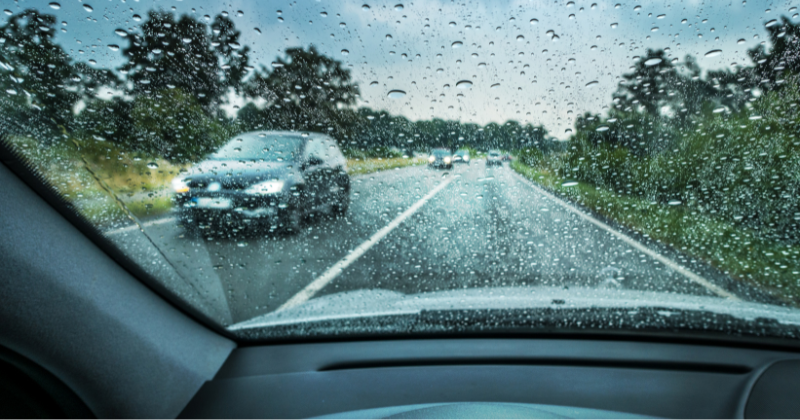
On the ideal Miami day, the sun is shining, and the worst part of driving to work or home is the glare off the windshield. Yet, when the weather gets rough, which it often does in Miami, it can instantly become dangerous for anyone present and on the roads. The risk of being in a Florida road accident increases drastically when road conditions change due to wet and stormy weather.
At ABOGADAS305, our personal injury lawyer in Miami works with those facing serious injuries after an accident. We help our clients recover fair compensation for any losses they have, holding the insurance company accountable.
How Rain Makes Roads Unsafe
Rainy weather conditions in Miami can happen quickly, with storms blowing in off the coast in a matter of minutes. This can change conditions rapidly from dry roads and clear skies to downpours that make seeing just 100 feet in front of you difficult. When conditions change like this, the risk of being in a Florida road accident climbs for several reasons:
- Visibility drops significantly. You may not be able to see what is in front of you. If the driver slows or stops, it is impossible to see that quickly.
- It is far harder to predict the actions of other drivers. If that driver decides to pull over to wait for the rain to move on, that can make it very difficult for you to stop in time to avoid hitting them. At the same time, some drivers may take this as an opportunity to turn quickly.
- Wet roads are slick. Slick roads require more distance and time to slow down than dry roads. If you fail to slow down soon enough, or another driver fails to do so, it can cause an accident easily.
Rainy weather driving safety tips can help you avoid accidents. Remember, Miami is a tropical paradise. As such, it comes with instant and frequent wet weather, intense wind, and blowing debris. It is critical for all drivers to be aware of these changing circumstances and to know how to manage them when they happen.
How to Prevent Accidents in Wet and Stormy Weather Conditions in Miami
In every situation, if the roads are too dangerous, pull over to wait for the storm to pass. Put on your flashing lights and wait out the storm. You may be able to find a parking lot to pull into as well.
If you can still drive confidently, consider the following tips to minimize the risk of car accidents.
- Slow down. Drop your speed by at least 10 miles per hour or to a level that feels safe to you.
- Put your flashers on. This makes it easier for people behind you to see you. They are alerted that you may be driving slower.
- Keep more room between you and the car in front of you. Aim for 3 to 4 car lengths of open space. That gives you more time to stop when conditions are wet.
- Do not drive through flooded streets. Even just a few inches of standing water can cause your brakes to fail, creating a dangerous situation.
- Always abide by all road rules in the area. Do not speed, keep your lights on, and avoid illegal lane changes.
If you are in a car accident, pull off to the side of the road, call 911 to report the incident, and wait for help to arrive. Do not leave the scene of the accident. Note that you are still responsible for any injuries you cause, even if weather conditions are poor.
How Weather Events Impact Personal Injury Claims in Car Accidents
There is no way to hold the weather accountable for an accident. However, insurance companies do consider what caused the accident and the circumstances involved.
For example, if you are in an accident because your vehicle failed to stop fast enough while the other driver slammed on their brakes, you may still be liable for the accident, but to a lesser degree. By comparison, if you drive your vehicle into standing water, fully recognizing what is occurring, and a hydroplaning accident in Florida happens, you could be held liable for putting yourself in that dangerous situation.
Multiple Parties Could Be Responsible
In stormy weather car accidents, it is not uncommon for more than one party to be found liable for what occurred. Under Florida’s comparative negligence laws, which follow a modified comparative negligence rule, a person who suffers injuries due to negligence is only able to recover damages if they are found to be 50% or less responsible. If you are found to be more than 50% at fault, you cannot recover damages.
How to Protect Yourself After a Car Accident in the Rain
If you are involved in a Florida car accident, your primary responsibility is to protect yourself from further injuries and losses. After a car accident like this, there are several steps to take:
- Pull over and remain at the location until medical care and law enforcement arrive.
- Take photos of the injuries you have, the damage to your car, and any damage to another person’s car.
- Get witness names and contact information. You may need to rely on that information later.
- Get the name and contact information from the other party. Make sure you do not admit fault in any instance.
- If you remember anything occurring from the accident, such as the driver using a phone before the accident, which could indicate distracted driving, or the driver swerving, document that and alert law enforcement to it.
Schedule a Free Consultation with a Personal Injury Lawyer in Miami After Your Accident
After a Florida car accident, make sure you work to protect yourself. Start with rainy weather driving safety that minimizes the risk of causing an accident. If someone else causes an accident to you, seek medical care and document what occurred. Then, contact our personal injury lawyer in Miami. At ABOGADAS305, we are here to fight for your rights. Call us at 1-877-305-3055 to schedule a free consultation.
Author Bio
 Abogadas305 is a personal injury law firm based in Florida, founded by attorneys Victoria San Pedro Madani and Ana Berenguer. With a wealth of experience in the legal space, they represent clients in various legal matters, including car accidents, slip and falls, burn injuries, dog bites, defective products, and other personal injury actions.
Since receiving their Juris Doctorates from Stetson University College of Law and Barry University Dwayne O. Andreas School of Law, respectively, Victoria and Ana have received numerous accolades for their professional accomplishments, including being selected to Rising Star by Florida Super Lawyers for four consecutive years.